Choosing the right sports equipment can make a major difference in your comfort, performance, and confidence on the field, court, track, or training floor. Whether you are just getting started or you are an experienced athlete, having equipment that matches your sport, skill level, playing style, and goals can help you get more from every training session and game.
👟 Choose the Right Sports Shoes
Your shoes are one of the most important pieces of sports equipment you will own. The right pair should provide appropriate support, traction, comfort, and stability for your activity.
Different sports require different types of footwear. Soccer players need cleats designed for traction on the playing surface, while basketball players benefit from shoes that provide ankle support, cushioning, and grip for quick movements. Runners should look for footwear designed around running mechanics, comfort, and the surface where they train.
Beginners should prioritize comfort, proper fit, and sport-specific features rather than simply choosing the most expensive option. Experienced athletes may want to consider additional factors such as weight, responsiveness, durability, and playing style.
🏀 Select the Right Ball
The correct ball should match your sport, age group, competition level, and playing environment. Basketballs, soccer balls, volleyballs, and other sports balls come in different sizes and materials.
Beginners should choose a size that is appropriate for their age and skill level. Experienced athletes should consider factors such as grip, durability, construction, and whether the ball is designed for indoor or outdoor play.
A quality ball can also improve your training experience because consistent bounce, grip, and handling allow you to focus on developing your technique.
🛡️ Don’t Overlook Protective Gear
Safety should always be part of your equipment selection. Depending on your sport, protective equipment may include helmets, shin guards, mouthguards, knee pads, elbow supports, compression gear, or other protective accessories.
Make sure protective equipment fits correctly and is designed for your specific activity. Equipment that is too loose may not provide adequate protection, while equipment that is too tight can restrict movement and become uncomfortable.
For beginners, learning what protective equipment is recommended for your sport should be one of the first steps before participating. Experienced athletes should regularly inspect their gear for signs of damage or excessive wear.
🏋️ Choose Training Equipment That Supports Your Goals
Training equipment should help you develop the skills and physical qualities required by your sport. Resistance bands, agility ladders, cones, hand trainers, balance equipment, jump-training tools, and strength-training equipment can all be useful additions to an athlete’s routine.
Beginners should start with simple, versatile equipment that allows them to learn fundamental movements. Experienced athletes can build a more specialized training setup around specific goals such as speed, strength, endurance, coordination, or sport-specific technique.
🎒 Don’t Forget the Accessories
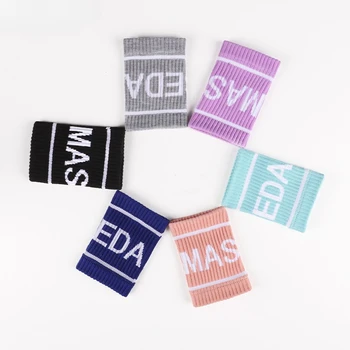
The right accessories can make training and competition more convenient. Sports bags, water bottles, ball bags, wrist supports, compression gear, socks, equipment organizers, and recovery accessories can all have a practical role.
Before purchasing an accessory, ask yourself whether it solves a genuine problem or supports your training routine. Choosing useful equipment instead of unnecessary extras can help you build a more efficient sports setup.
⭐ Tips for Beginners and Experienced Athletes
If you are a beginner, focus on the basics: proper fit, safety, comfort, durability, and equipment designed specifically for your sport. You don’t need to purchase everything at once. Start with the essentials and add equipment as your skills and needs develop.
Experienced athletes should evaluate their equipment regularly. Consider whether your current gear still matches your playing style, training goals, competition level, and physical needs. Replacing worn-out equipment can also help maintain comfort and performance.
Most importantly, don’t choose sports equipment based solely on appearance or price. The best equipment for you is equipment that fits properly, suits your sport, supports your goals, and allows you to perform comfortably and confidently.
🏆 Gear Up for Your Next Game
Whether you’re stepping onto the field for the first time or preparing for your next competitive season, choosing the right sports equipment is an important part of becoming a better athlete. From sport-specific shoes and properly sized balls to protective gear, training tools, and useful accessories, every piece of equipment can contribute to a better overall experience.
Take the time to understand what your sport requires, choose equipment that matches your needs, and keep your gear maintained. With the right preparation and the right equipment, you’ll be ready to train harder, play smarter, and enjoy the game.



0 Comments